 English
 Kirundi
 Français

'A legacy worth millions' - India's former royals who draw a meagre pension
In Hussainabad, in the northern Indian state of Uttar Pradesh, 90-year-old Faiyaz Ali Khan makes his way to the Picture Gallery, a 19th Century building that is a relic of the city's royal past.

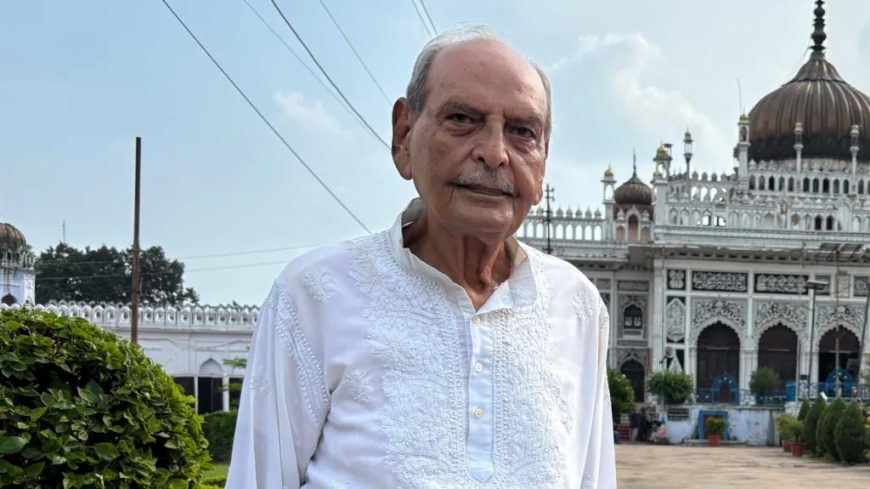
His hands tremble as he walks, but there is a sparkle in his eyes. He has come to collect his wasika or royal pension.
Wasika, from the Persian word for a written agreement, is a pension granted to the descendants and associates of the rulers of the former Awadh kingdom. Awadh, now the central region of Uttar Pradesh, was ruled by semi-autonomous Muslim rulers - called nawabs - until the British annexed it in 1856.
India no longer has a monarchy, and former royals do not have any titles, privileges or special payments, known as privy purses. However, while their kingdoms and political power have long disappeared, some pension arrangements have continued for descendants of these families in states including Uttar Pradesh, Kerala and Rajasthan.
Roshan Taqui, a historian of Lucknow, where Hussainabad is located, says that in the early 1800s some members of the Awadh royal family lent money to the East India Company - which was then a British trading enterprise - on condition that the interest be paid out as pensions to their families. These loans were perpetual, meaning the Company never had to return the principal amount.
But soon, the British gained power in the region while the nawabs became weaker.
Around that time, Mr Taqui says, several nawabs were also forced to lend money to the Company, which needed it to fight the Afghan war.